Please allow us to collect data about how you use our website. We will use it to improve our website, make your browsing experience and our business decisions better. Learn more Learn More
Investing in solar energy is not just about saving the planet—it is about generating stable, predictable financial returns. But how exactly does your investment generate profit? Let's break it down.
1. Energy Generation and Sale
Once a solar project is fully funded and installed, the panels begin generating electricity. This electricity is either sold to the national grid or directly to commercial buyers under long-term Power Purchase Agreements (PPAs). The revenue from these sales is what generates your returns.
2. The Role of Inverters and Batteries
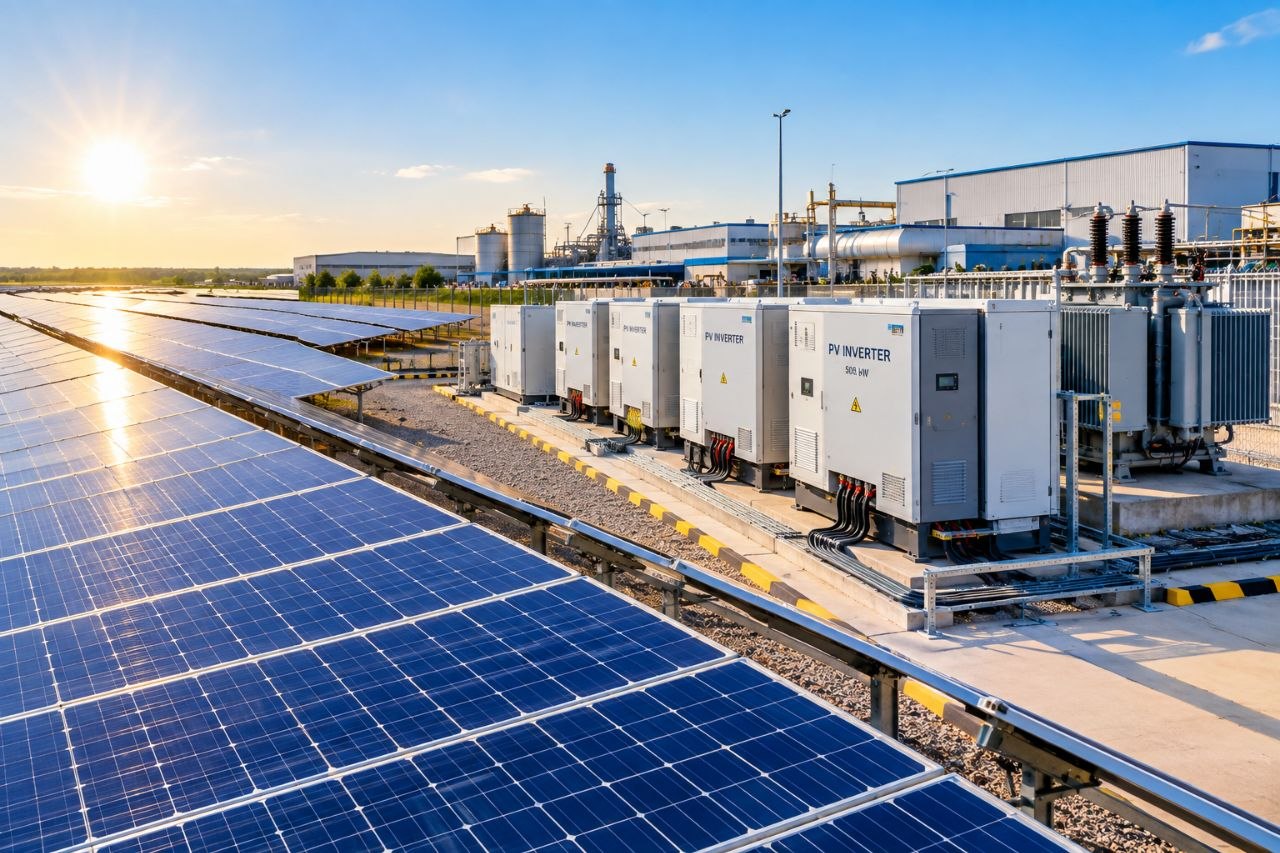
Solar panels produce DC electricity, but the grid requires AC. Inverters convert this power, while battery storage systems allow excess energy to be stored and sold during peak demand hours when prices are highest. This maximizes the revenue per kilowatt-hour.
3. Return on Investment (ROI)
Your ROI is calculated based on the total energy sold, minus operational costs. Because solar projects have very low ongoing maintenance costs and panels last 25+ years, the returns are stable and long-term.
4. Payouts
Depending on the project, returns are distributed to investors on a monthly or quarterly basis. You can track your earnings in real-time directly from your dashboard.
Start building your solar portfolio today and let the sun work for you.